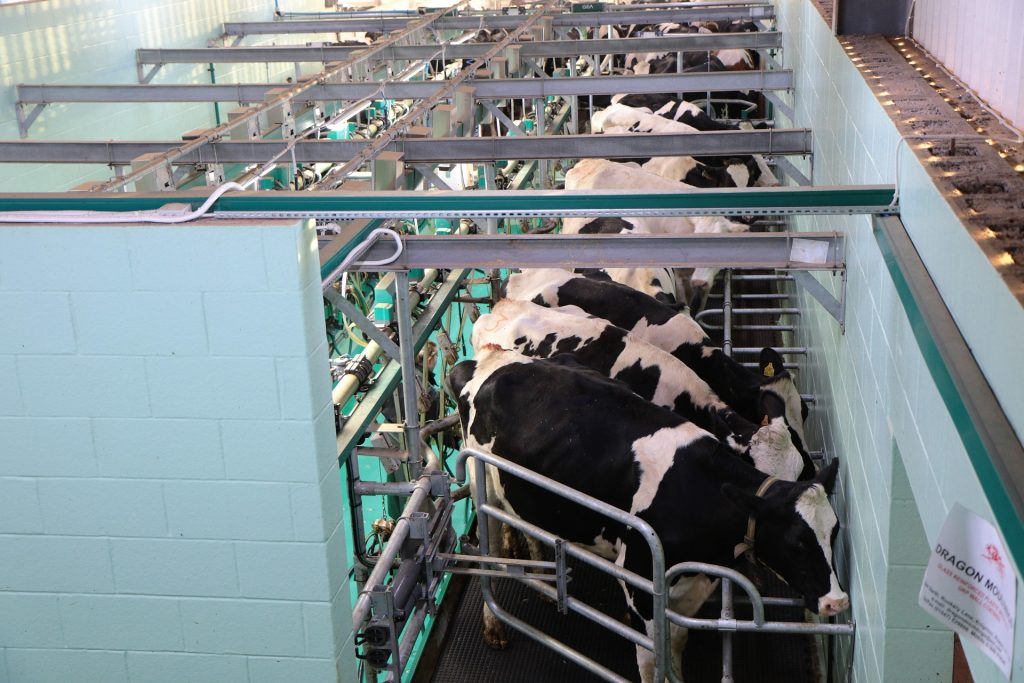



The dairy industry generates more than 192 million cubic metres of wastewater per year in the EU alone. The European WAVE project aims to convert this into irrigation water and bioplastics using microbial biotechnology
The Institute of Sustainable Processes at the University of Valladolid (ISP-UVa) is part of the international project ‘Microbial-based bioprocesses towards dairy wastewater reuse and conversion into new bioplastics’ (WAVE), funded under the Water4All call and co-funded by the European Commission and the Ministry of Science, Innovation and Universities, through the State Research Agency.
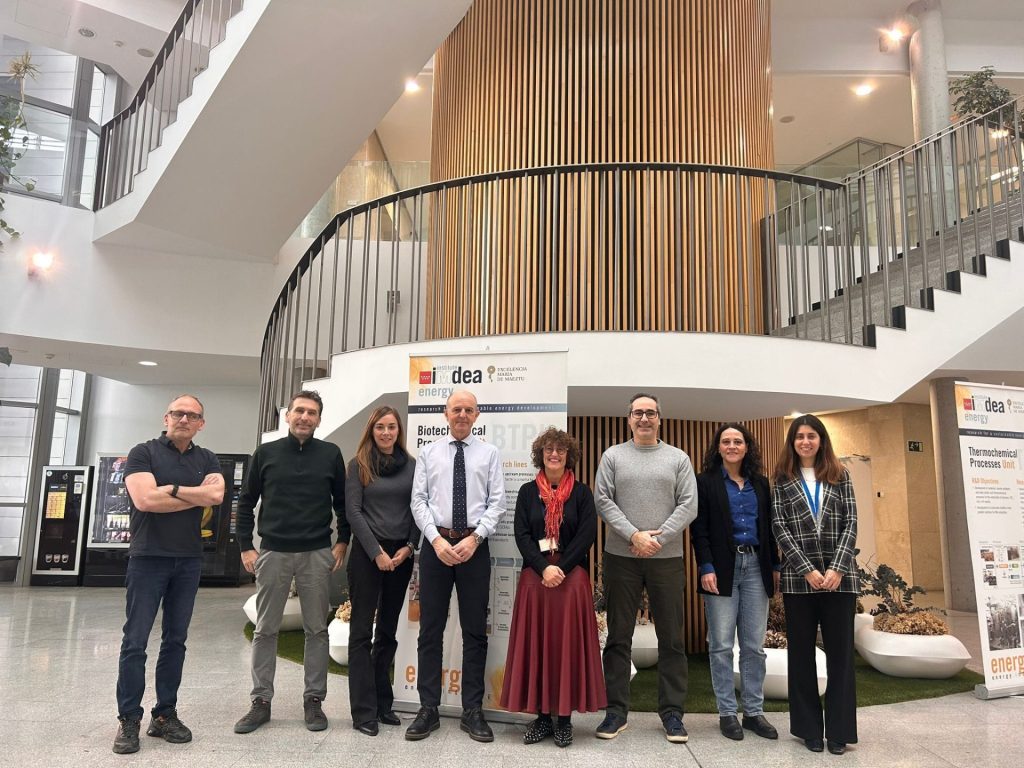
The consortium is coordinated by IMDEA Energy (Spain) and comprises the Technical University of Denmark (Denmark), the KTH Royal Institute of Technology (Sweden), the International Hellenic University (Greece), the company 2st.BIO A/S (Denmark) and the University of Valladolid (Spain). The project kick-off meeting took place in January 2026 at IMDEA Energía (Madrid), marking the official start of three years of joint work.
The research team at the University of Valladolid is led by Dr Cristina González Fernández, a professor at the University of Valladolid and a researcher at the ISP-UVa within the ENVIROENG Unit. Over the next three years, their work will focus on the recovery of waste from the dairy industry for the production of irrigation water and bioplastics, using microbial biotechnology to obtain new polymeric materials, thereby helping to reduce water stress and promote the circularity of water and resources.
The recovery process takes place in two stages. In the first stage, wastewater undergoes anaerobic fermentation to achieve a stable production of fermentable carbon sources, which act as a substrate in the second stage: the cultivation of bioplastic-producing yeast strains. To ensure the efficiency of the process, specific strategies will be applied to address salinity toxicity, including microbial granulation and bioenrichment of microorganisms.
Beyond biotechnological development, the ISP-UVa will lead the assessment of the technology’s sustainability, covering its environmental, economic and social dimensions, using life-cycle analysis tools. This will enable the technology to be compared with conventional production systems and support its scaling up with solid evidence regarding viability and real-world impact.
WAVE transforms a waste management problem into an opportunity for industrial innovation, aligning the dairy industry with the principles of the circular economy and the requirements of European environmental policy.