
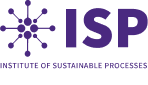



The SafeWW project is currently advancing with the ambition to redefine how wastewater treatment plants evolve into modern Water Resource Recovery Facilities (WRRF). Driven by a clear sustainability vision, the project seeks to transform sewage sludge, an abundant and growing waste stream, into a circular, carbon-neutral resource capable of generating valuable industrial and agronomic bioproducts. By promoting an energetically self-sustaining process with exclusively biogenic CO₂ emissions, SafeWW directly supports major European priorities in bioeconomy, resource efficiency and environmental protection.
At the core of the project is the mission to develop sustainable processes for the comprehensive valorization of sludge in WRRFs using biodegradable, non-toxic solvents. These extraction processes, combined with thermal treatments and thermophilic anaerobic digestion, aim to recover high-value biomolecules while simultaneously eliminating contaminants, pathogens and antibiotic resistance genes. This integrated strategy ensures that the bioproducts recovered from WRRF sludge are both functional and safe for agricultural and industrial applications, while also delivering renewable energy through biogas production.
SafeWW is built upon a strongly interdisciplinary framework, uniting expertise in chemical engineering, environmental technology, analytical chemistry and sustainability assessment. This allows the project to address emerging challenges in WRRFs, such as microplastics, unregulated contaminants and antimicrobial resistance, from multiple scientific perspectives. By combining advanced analytical tools with process design and risk assessment, SafeWW aims to generate robust knowledge for guiding future regulations and supporting the safe integration of sludge-derived bioproducts into the circular economy.
Ultimately, SafeWW demonstrates that wastewater sludge, traditionally considered a management burden, can be transformed into a strategic resource for sustainable development within WRRFs. The project contributes to food security, renewable energy generation and environmental stewardship, and the results are expected to inform European circular-economy strategies and promote broader public acceptance of bioproducts recovered from wastewater resources.