

Two articles by researchers from the Institute of Sustainable Processes, published in the journal RETEMA, analyse how to move towards the widespread adoption of biomethane through its better integration into the circular economy, infrastructure, regulation and regional planning.
Currently, the European Union “relies mostly on natural gas imports.” Meanwhile, biomethane is emerging as a strategic and ambitious alternative for the energy transition, the decarbonization of the economy, and the sustainable management of resources. However, the gap between that potential and reality remains wide. In issue 273 of RETEMA magazine (Bioenergy Special 2026), researchers from the Institute of Sustainable Processes at the University of Valladolid address this issue from the perspective of technological innovation and the challenges of this deployment in the face of the current energy supply crisis.
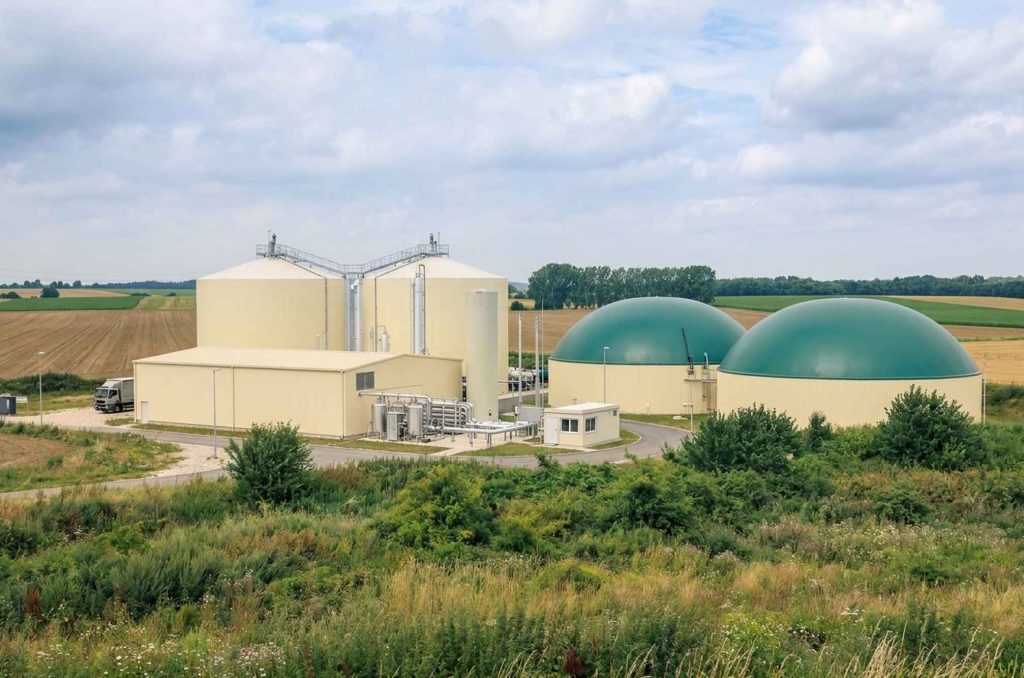
Spain could produce more than 100 TWh of biomethane per year, but in 2024 it injected just 316 GWh into the grid. This is highlighted in the article Biomethane: Potential or Reality?, by researchers Raquel Lebrero (ENVIROENG Unit) and María Molinos (PROCESSES Unit), coordinators of the European project MSCA RENEWME. The article recalls that the REPowerEU plan, launched by the European Commission in 2022, “set a benchmark of 35 billion cubic meters of biomethane per year by 2030, while the update of the NECP (PNIEC) 2023-2030 sets the Spanish target at 20 TWh per year of biogas by that date,” a figure far removed from current production.
According to the researchers, the problem lies not in the technology—which is already mature—but in the value chain: waste supply, digestate management, grid connection, financing, and social acceptance. Furthermore, they point out that MITECO’s draft Royal Decree, which sets minimum biomethane quotas in commercialized gas, introduces a long-term demand signal; however, regulating demand does not create supply on its own.
The researchers raise the need to stop viewing biogas and biomethane plants merely as energy facilities and to start understanding them as territorial infrastructure for a circular economy. These require coordination among public administrations, access to sustainable raw materials, stable contracts, and acceptance by the local community. RENEWME—a European doctoral network coordinated by the ISP at UVa that will train the next generation of biogas specialists—will work in this direction.
Meanwhile, in the article New Biorefinery Concepts to Maximize Biomethane Production from Waste and Wastewater, researchers Raúl Muñoz Torre, Raquel Lebrero, Pedro García Encina, and Alberto Tena propose combining anaerobic digestion with gasification, gas fermentation, and the use of microalgae. This would allow for a more complete utilization of carbon and nutrients—even from non-biodegradable waste—and the recovery of value-added bioproducts. Given local opposition to biogas plants, driven by “concerns over foul odors, increased heavy traffic associated with waste transport, and groundwater contamination by nitrates,” they highlight the gasification of waste combined with syngas methanation as a promising alternative that would allow the use of hard-to-digest biomass while minimizing nutrient leaching and potential odor issues.
Biomethane infrastructures are set to consolidate themselves as territorial engines of the circular economy, capable of valorizing waste, avoiding greenhouse gas emissions, and boosting local economies.
Through its commitment to research excellence, technical rigor, and multisectoral collaboration, the Institute of Sustainable Processes reaffirms its dedication to an efficient, renewable energy model committed to global sustainability.