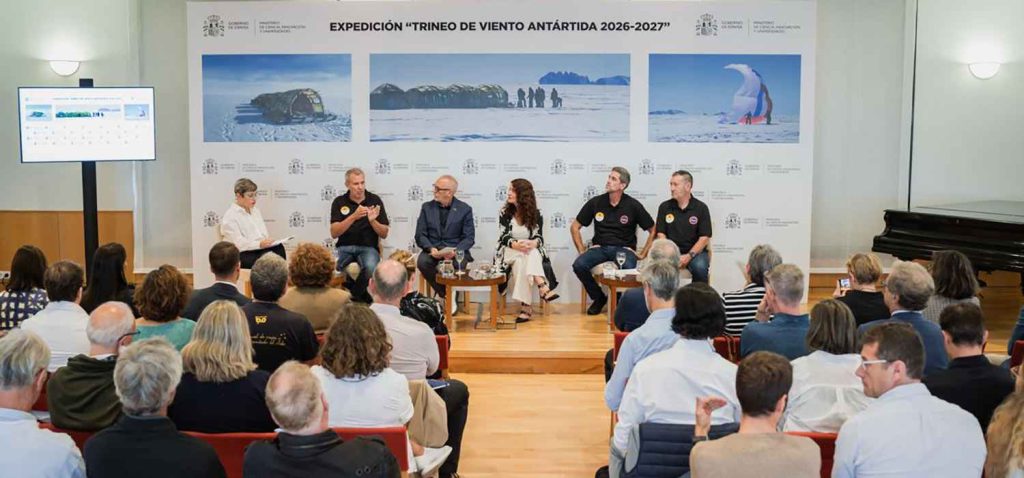




The Institute of Sustainable Processes of the University of Valladolid (ISP-UVa) is leading FORCHEM, one of 16 scientific projects that will travel aboard the WindSled (Trineo de Viento) as part of the 1st Spanish Transantarctic Campaign (Trineo de Viento Antártida 2026–2027), promoted by the Ministry of Science, Innovation and Universities.
Framed within the national project BYEPOL (“Influence of global warming on the sources, cycles, and fate of legacy and emerging pollutants in the lakes of the Byers Peninsula, Antarctica”), FORCHEM will make it possible to study the presence, distribution, and long-range transport mechanisms of per- and polyfluoroalkyl substances (PFAS), popularly known as “forever chemicals”—in the interior of the Antarctic continent, one of the most remote places on Earth.
Due to extreme environmental conditions and the difficulty of accessing the continent’s interior, scientific records on the deposition of these persistent pollutants on the Antarctic surface are virtually non-existent. The FORCHEM project will address this crucial knowledge gap by collecting and analyzing snow samples along a 3,400-kilometer route.
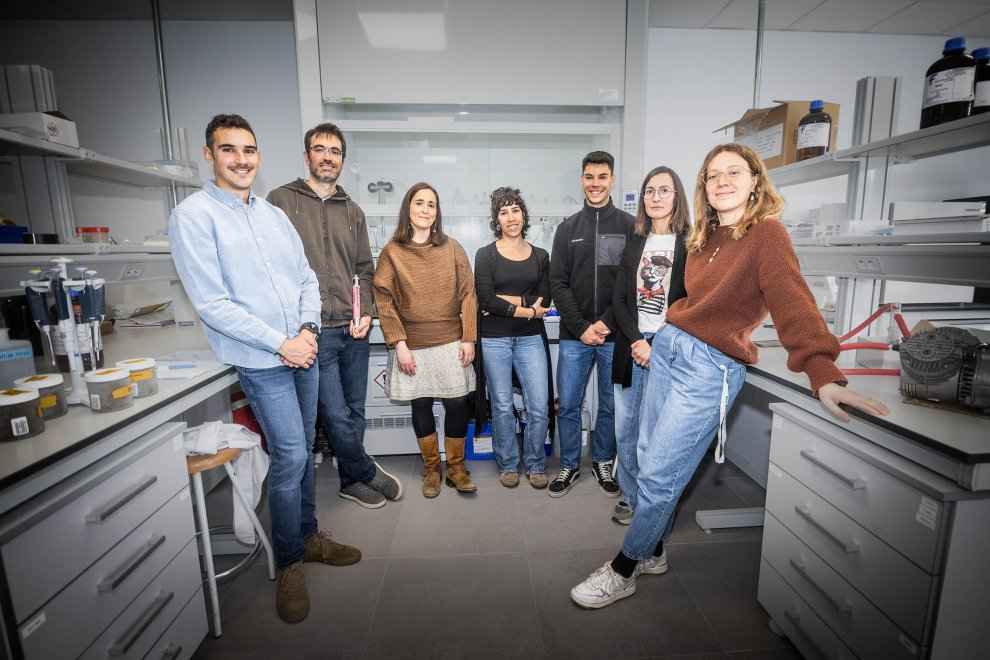
The research is led by Ana Cabrerizo, researcher at the ISP-UVa CHEMBIO Unit and professor at the School of Forestry, Agronomic and Bioenergy Industry Engineering (EIFAB) in Soria. Thanks to this work, the ISP will provide unprecedented data on the presence of these pollutants and the mechanisms that transport them toward the interior of the continent.
The expedition will depart from Spain on October 18, 2026, with a planned return in early February 2027. The 16 scientific projects traveling aboard were selected through a call coordinated by the Spanish Polar Committee.
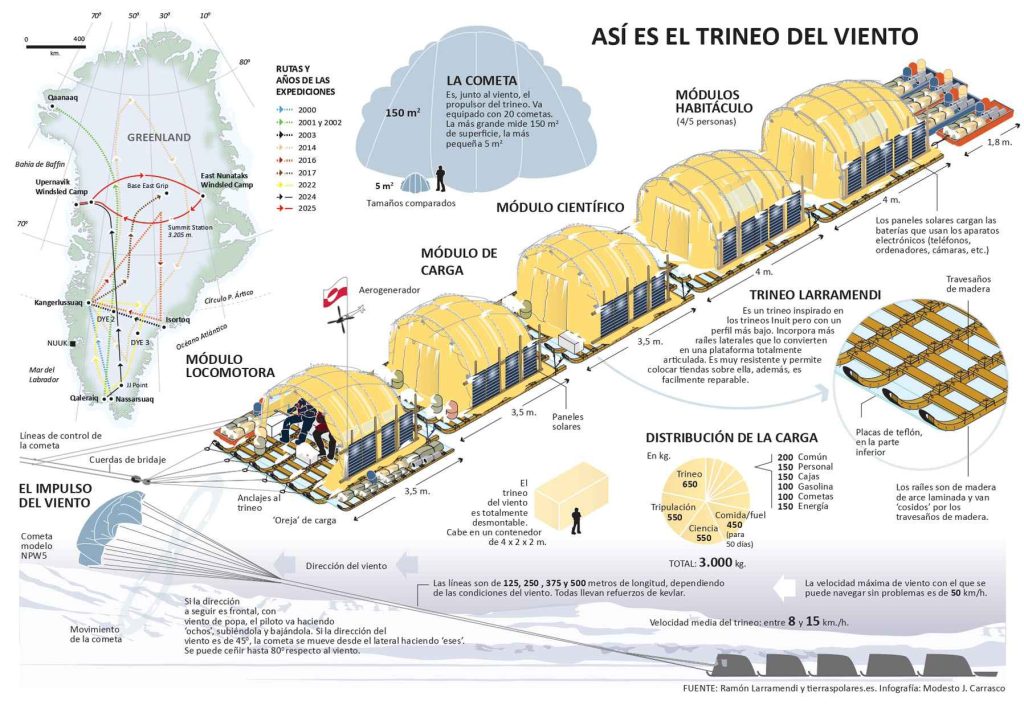
The scientific team will undertake an 80-day, multi-thousand-kilometer journey using the WindSled as their platform, a zero-emission polar vehicle designed by explorer Ramón Larramendi. The vehicle travels powered by kites (wind energy) and uses photovoltaic panels to power the scientific equipment. This scientific platform, consisting of four modules measuring a total of 15 meters in length and capable of hauling up to 2,100 kilograms, will allow sustainable access to Antarctic interior snow for sample collection.